
Situations
Come in through your situation rather than through our catalogue. Each page states what triggers it, how long a hire usually lasts in that case, and on what unit it is charged.
Six situations, and what triggers them
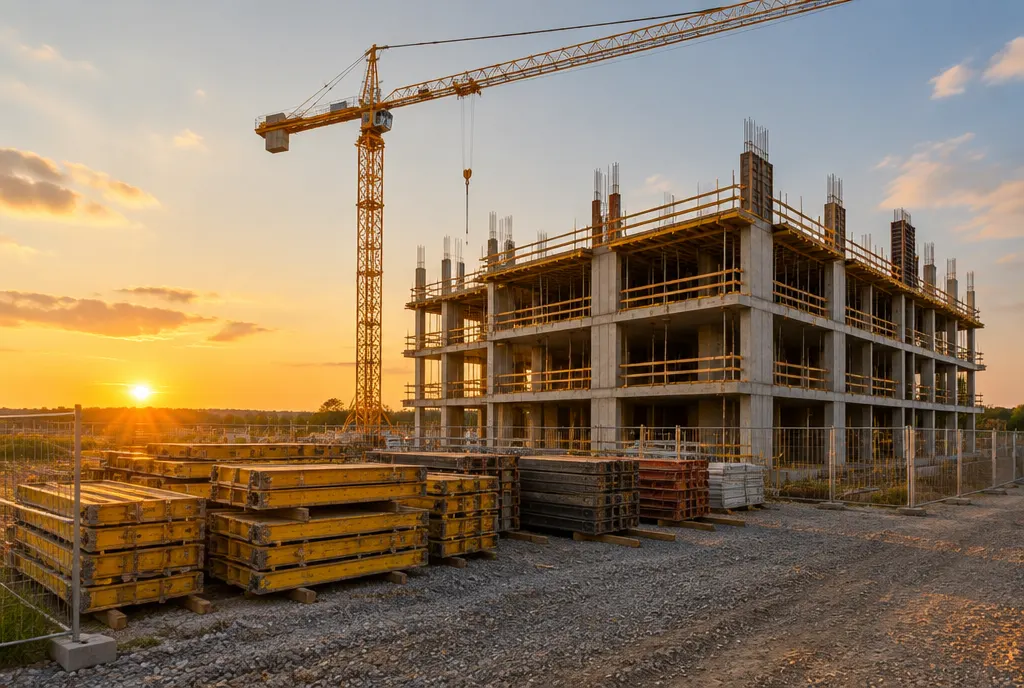
Construction and infrastructure
Powering a site whose permanent connection is not yet live, or whose construction supply is no longer enough.
- Usual duration
- From a few weeks to several months, often aligned with a phase of the works.
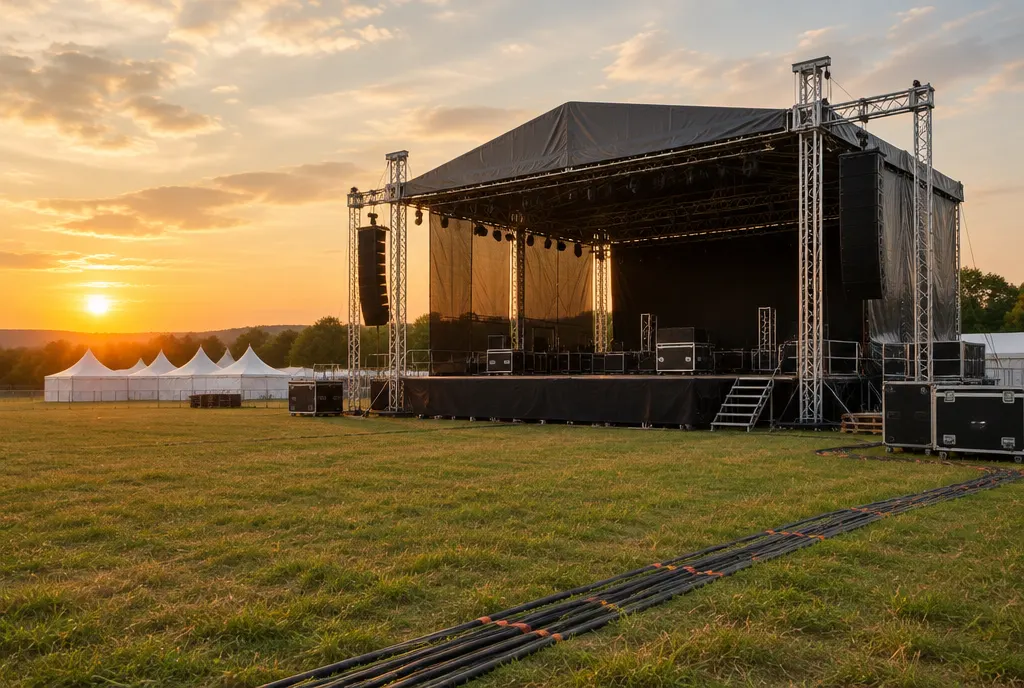
Events and festivals
Powering a stage, an exhibitor village or a control position without a generator in the middle of the audience.
- Usual duration
- From a few days to a few weeks, build-up and break-down included.

Ports and shore power
Supplying power to a vessel, to a shipyard or to a port area with no fixed equipment on the quay.
- Usual duration
- From a single call to a full season.
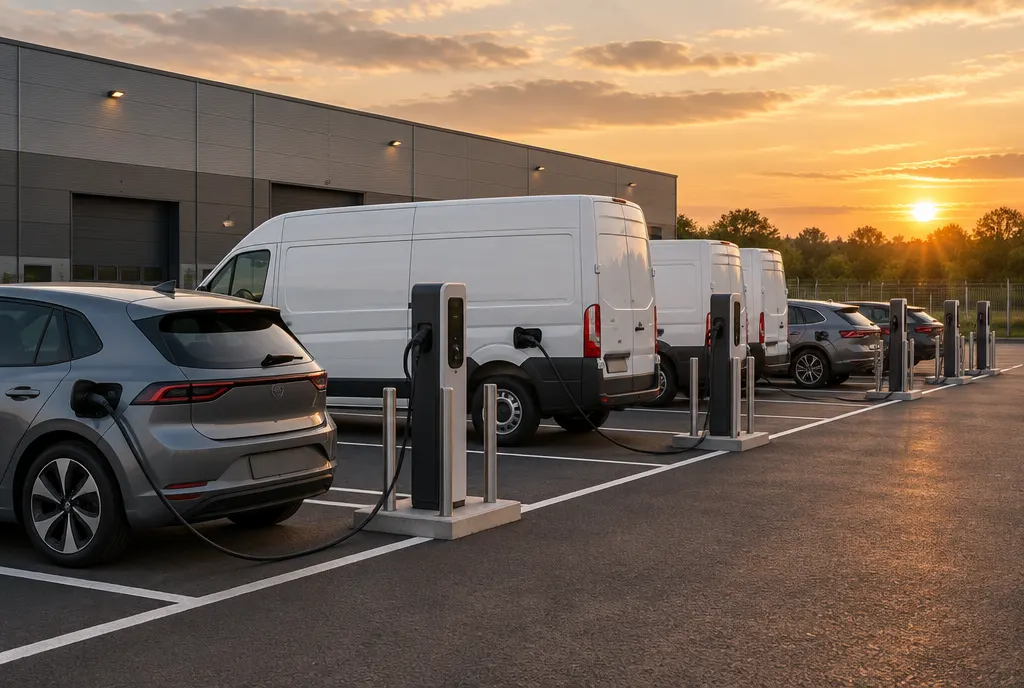
Vehicle and fleet charging
Charging vehicles, plant or a fleet on a site whose supply agreement does not yet allow it.
- Usual duration
- From a month to a year, depending on how the upgrade is progressing.
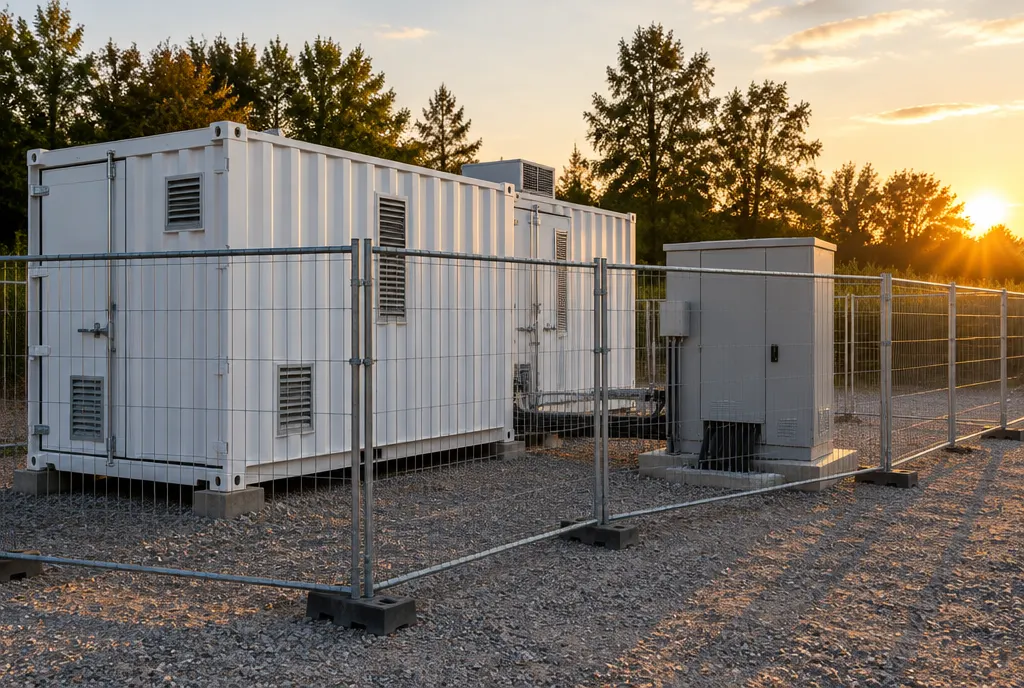
Insufficient or pending connection
Keeping an existing operation running when its contracted capacity is no longer enough, while the upgrade is awaited.
- Usual duration
- The time the upgrade takes, generally several months.
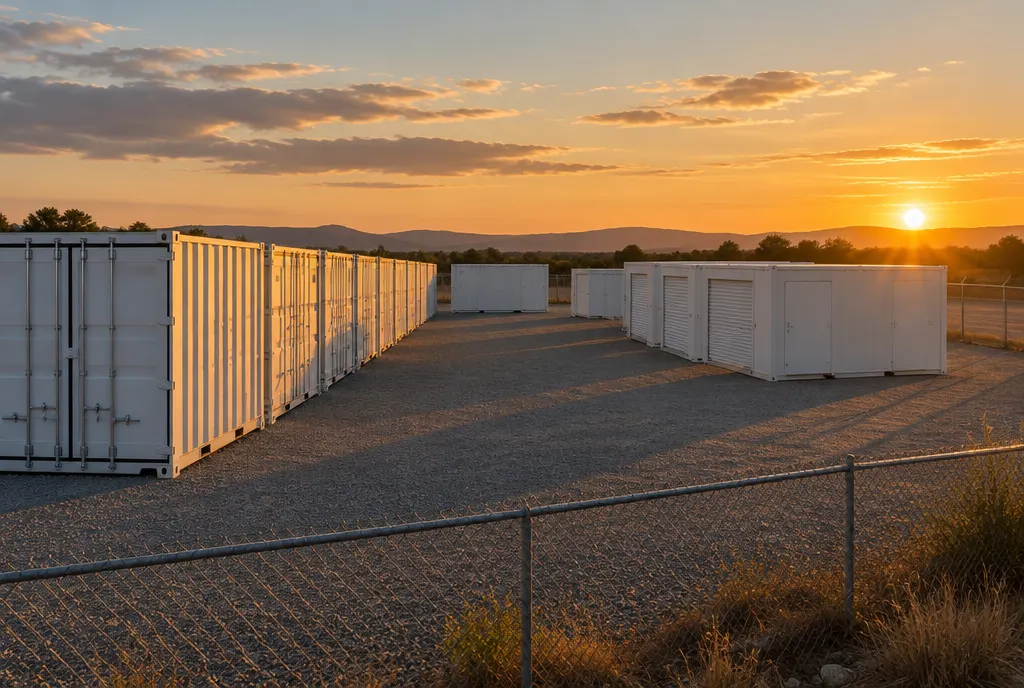
Partners and sub-hire
You are a general hire company or an installer, and your customers are asking you for a storage solution you do not have in your fleet.
- Usual duration
- According to your own customer's contract.
We say no when the answer is no
There are cases where a hired battery is not the right answer. We would rather say so on the first call than deliver equipment that will disappoint.
A project in the works?
Let’s talk about it now.